
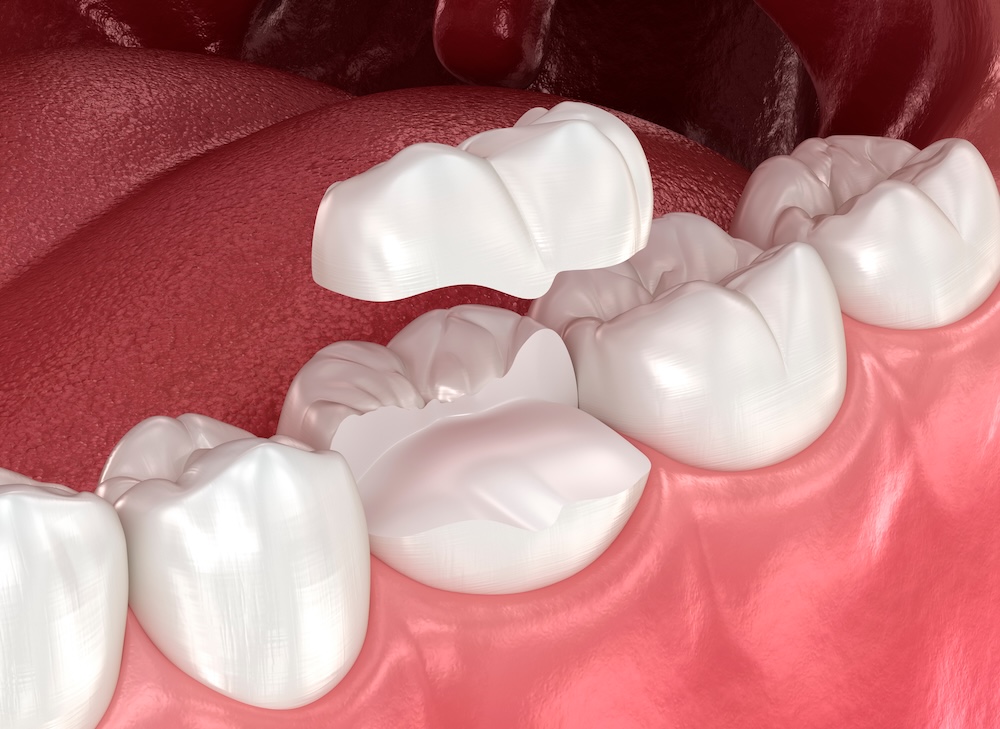
Restore Strength and Confidence With Custom Dental Crowns in Hilliard, OH
Durable, natural-looking dental crowns designed to protect damaged teeth and support long-term oral health.
Missing structure, fractures, or extensive wear can make a tooth harder to rely on comfortably throughout the day. Dental crowns are designed to reinforce and restore compromised teeth while preserving a natural appearance and balanced bite.
At Hilliard Modern Dental in Hilliard, OH, Dr. Benjamin R. Lamielle, DDS creates custom dental crowns using modern materials and personalized treatment planning tailored to each patient’s oral health needs, bite function, and cosmetic goals. Whether restoring a cracked tooth, protecting a tooth after root canal treatment, or improving overall smile aesthetics, treatment is designed to feel comfortable, durable, and natural over time. We serve patients throughout Hilliard, Dublin, Columbus, Powell, and the surrounding Central Ohio area.
Understanding Dental Crowns
Dental crowns are custom restorations designed to cover and protect a damaged tooth above the gum line. Unlike fillings that repair only a portion of the tooth structure, crowns reinforce the entire visible surface to improve durability, appearance, and stability.
Crowns at Hilliard Modern Dental may be recommended for:
- Cracked teeth
- Large fillings
- Severe decay
- Worn enamel
- Teeth weakened after root canal treatment
- Cosmetic improvements
- Broken restorations
- Dental implant restorations
Because crowns restore both strength and appearance, they are commonly used throughout restorative and cosmetic dentistry treatment planning.
When a Dental Crown May Be Recommended
Dental crowns are one of the most versatile restorative treatments available because they can address both structural and cosmetic concerns.
Dr. Lamielle, DDS may recommend a crown when a tooth:
- Has significant structural damage
- Cannot support another filling
- Has fractured or cracked
- Shows advanced wear
- Requires protection after root canal treatment
- Needs cosmetic improvement
- Supports a dental bridge
- Has excessive enamel loss
In many situations, placing a crown earlier may help preserve the natural tooth and reduce the likelihood of more extensive treatment later.
How Dental Crowns Protect Damaged Teeth
When a tooth becomes weakened, everyday biting pressure can increase the risk of fractures, sensitivity, and additional structural damage. Crowns help redistribute heavy biting forces more evenly while reinforcing the tooth underneath.
Patients often benefit from improved chewing comfort, tooth stability, bite function, protection against further wear, smile appearance, and long-term durability. For many patients, crowns help restore confidence while improving everyday oral function.
Types of Dental Crowns Available in Hilliard, OH
Several crown materials are available depending on the location of the tooth, cosmetic goals, bite pressure, and durability requirements.
Porcelain Crowns
Porcelain crowns remain a popular choice for visible areas of the smile because they closely resemble natural enamel. They offer a natural-looking appearance with excellent color matching and are ideal for front teeth restorations where cosmetic results are a priority.
Zirconia Crowns
Zirconia crowns are known for exceptional strength and durability. Made from zirconium dioxide, these restorations are highly resistant to fracture and wear, making them well-suited for back teeth and high-pressure chewing areas.
Ceramic Crowns
Ceramic crowns provide a natural appearance while maintaining reliable durability. They are metal-free with good translucency and integrate naturally with surrounding teeth, making them suitable for both cosmetic and restorative treatment depending on the patient’s needs.
Metal and Gold Crowns
Metal restorations, including gold and other metal alloys, are known for exceptional longevity and resistance to wear. Although less common in visible areas because of their metallic color, metal crowns may still be appropriate for some back teeth restorations.
Porcelain-Fused-to-Metal Crowns
Porcelain-fused-to-metal restorations combine a metal base with a ceramic outer layer to balance strength and appearance. In some cases, a small dark line near the gum tissue may become visible over time as the gums shift.
Choosing the Right Crown Material
The best type of dental crown depends on tooth location, bite pressure, cosmetic priorities, and long-term treatment goals. Dr. Lamielle, DDS carefully evaluates crown placement location, chewing habits, existing tooth structure, cosmetic concerns, and overall oral health before making a recommendation. Treatment is personalized to balance appearance, durability, comfort, and long-term function.
The Dental Crown Procedure at Hilliard Modern Dental
Receiving a dental crown typically involves two appointments at our Hilliard, OH office.
Preparing the Tooth
The tooth is reshaped carefully to create space for the restoration while preserving as much healthy tooth structure as possible.
Digital Scans or Impressions
Detailed impressions of the prepared tooth are taken and sent to a trusted dental lab where the custom restoration is fabricated.
Temporary Crown Placement
A temporary crown protects the prepared tooth while the permanent restoration is being created.
Final Crown Placement
Once complete, the restoration is bonded securely into place and adjusted carefully for fit, comfort, and bite alignment. The final result is designed to feel stable, comfortable, and natural during everyday function.
Dental Crowns After Root Canal Treatment
Teeth that undergo root canal treatment often become more vulnerable to fractures because of lost tooth structure and reduced internal strength. A crown may help reinforce the remaining tooth, protect against future fractures, restore chewing function, and improve long-term durability. For many patients, combining root canal treatment with crown placement helps preserve the natural tooth for many years.
Dental Crowns and Dental Implants
Dental crowns are also commonly used to complete dental implant treatment. Once the implant integrates with the jawbone, a custom restoration is attached to replace the visible portion of the missing tooth. Implant-supported crowns are designed to restore appearance, improve chewing ability, support bite stability, and blend naturally with surrounding teeth.
How Long Do Crowns Last?
The lifespan of a crown depends on the material selected, oral hygiene habits, and bite pressure. Many restorations last between 10 and 15 years, and some continue functioning well for longer with proper care and routine dental visits at Hilliard Modern Dental.
Patients can help extend the lifespan of their crown by brushing regularly, flossing consistently, avoiding chewing ice or hard objects, wearing a nightguard if recommended, and attending routine dental care appointments.
Caring for Your Dental Crown
Dental crowns do not typically require special care beyond good daily oral hygiene habits. Patients at our Hilliard, Ohio office are generally encouraged to brush twice daily, floss carefully around the restoration, avoid excessive grinding or clenching, attend preventive dental visits, and address any bite discomfort early if it develops.
Schedule a Dental Crown Consultation in Hilliard, OH
Dr. Benjamin R. Lamielle, DDS and the team at Hilliard Modern Dental provide custom dental crowns designed to restore damaged teeth, improve oral function, and support healthier smiles with durable, natural-looking results. We serve patients throughout Hilliard, Dublin, Columbus, Powell, and the surrounding Central Ohio area.
Call 614-333-1086 today to schedule your dental crown consultation at our Hilliard, OH office.
Frequently Asked Questions About Dental Crowns in Hilliard, OH
How much do dental crowns cost in Hilliard, OH?
The cost of a dental crown at Hilliard Modern Dental varies depending on the material selected, crown location, and overall treatment complexity. Our team will review all costs and any applicable insurance coverage during your consultation. Call 614-333-1086 for details.
Does dental insurance cover dental crowns in Hilliard?
Many dental insurance plans provide partial coverage for crowns, particularly when treatment is restorative rather than purely cosmetic. Coverage amounts vary by plan. Our team at Hilliard Modern Dental will review your benefits before treatment begins.
How long do dental crowns typically last?
Many dental crowns last between 10 and 15 years, and some continue functioning much longer with proper care and routine dental visits at our Hilliard, OH office. Longevity depends on the material, bite pressure, and oral hygiene habits.
Are dental crowns painful?
The procedure is typically comfortable because local anesthesia is used during treatment. Some patients in Hilliard, OH may experience mild temporary sensitivity after crown placement, but this usually improves quickly.
Can a dental crown look natural?
Yes. Modern crown materials are designed to blend naturally with surrounding teeth. Dr. Lamielle, DDS carefully matches the color, shape, and size of each crown to surrounding enamel at our Hilliard Modern Dental office.
Do I need a crown after a root canal?
In many cases, yes. Teeth that have had root canal treatment often become more brittle over time, and a crown helps protect the tooth from fracture and restore full chewing function. Dr. Lamielle, DDS will evaluate your specific tooth and recommend the best option.
What is the difference between a crown and a filling?
A filling repairs a portion of the tooth surface, while a crown covers and protects the entire visible tooth above the gum line. Crowns are typically recommended when a tooth has too much damage to be reliably restored with a filling alone.

