
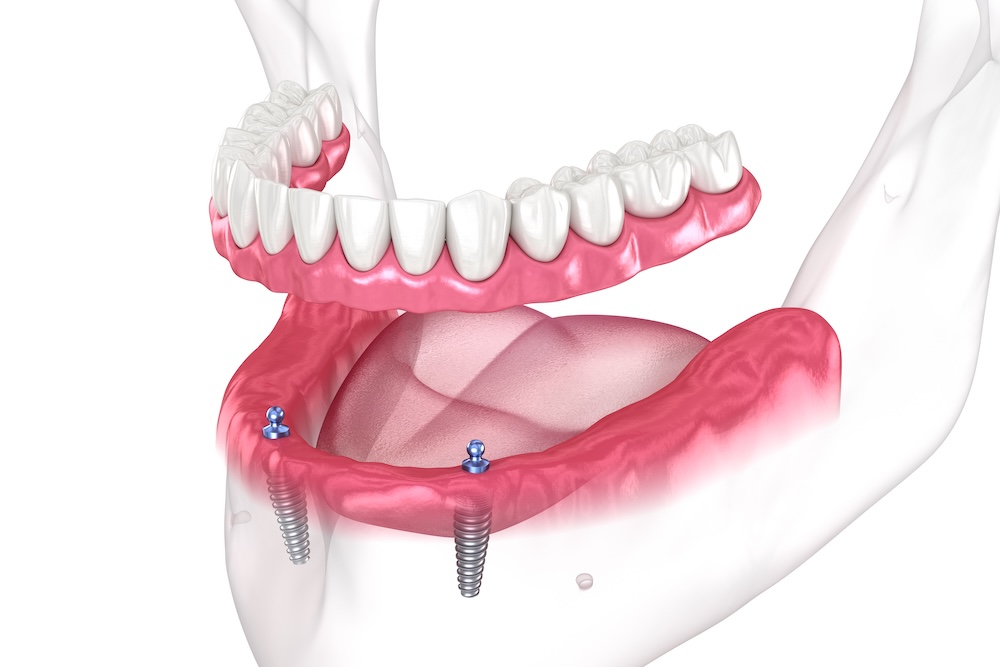
Implant-Supported Dentures for Lasting Stability
Stable denture solutions designed to improve chewing ability, comfort, and lasting jawbone support.
Tooth loss can make everyday activities feel more frustrating than many patients expect. Difficulty chewing certain foods, slipping dentures, changes in speech, and reduced confidence often affect both comfort and quality of life over time. While traditional dentures remain a common solution, many patients look for a more stable option that feels secure throughout daily activities.
At Hilliard Modern Dental, Dr. Benjamin R. Lamielle provides implant-supported dentures for patients seeking a more secure and natural-feeling alternative to conventional dentures. By combining dental implants with a custom prosthesis, this treatment creates a stronger foundation designed to improve comfort, secure retention, and overall oral function.
What Are Implant-Supported Dentures?
Implant-supported dentures are a type of denture anchored directly to dental implants placed within the jawbone. Unlike removable dentures that rely on suction or adhesives, implant-retained overdentures connect securely to implants for improved support during eating, speaking, and smiling.
These restorations are often recommended for patients experiencing extensive tooth loss who want a more stable alternative to traditional full dentures or removable partial dentures.
Dental implants function similarly to artificial tooth roots, helping support:
- Improved chewing ability
- Better denture retention
- Reduced slipping or shifting
- Jawbone stimulation
- A more natural look
- Improved speech clarity
- Better everyday function
For many patients, implant-retained overdentures provide a more comfortable and reliable solution compared to removable dentures alone.
How Implant-Supported Dentures Work
The process begins with the surgical placement of titanium implant posts within the jawbone to create a stable foundation for the denture restoration.
During the healing period, the bone gradually fuses with the implants through a process called osseointegration. This integration helps create the secure fit needed to support reliable chewing function and daily comfort.
Once healing is complete, the prosthetic restoration attaches to the implants using specialized connectors or attachments. Depending on the type of denture selected, the restoration may be removable for cleaning or fixed more permanently in place.
Because implants help stimulate the jawbone similarly to natural tooth roots, this type of restorative treatment may also help reduce bone loss associated with missing teeth over time.
Types of Implant-Supported Dentures
Several types of dentures may be used depending on the patient’s oral health, jawbone density, and smile goals.
Bar-Retained Dentures
A thin metal bar connects multiple implants, and the denture attaches securely to the bar for additional support and retention.
Ball-Retained Dentures
This type of implant uses ball-shaped attachments that snap into corresponding connectors within the denture. These implant overdentures are commonly removable while still providing improved retention compared to conventional dentures.
Fixed Implant Dentures
Some patients may qualify for fixed restorations that remain secured in place rather than being removed daily. This option may provide a more natural feel and stronger chewing ability for certain candidates.
During the consultation process, Dr. Lamielle evaluates the gums, bone support, and overall oral condition to determine the right choice for each patient’s specific needs.
Comparing Implant-Supported Dentures to Traditional Dentures
Traditional full dentures rest directly on the gums and often rely on adhesives or suction for support. Over time, this may lead to slipping, discomfort, soft tissue irritation, and difficulty eating certain foods.
Implant-retained restorations provide a more secure foundation because the implants stabilize the denture directly within the jaw.
Compared to removable dentures, this type of restoration may offer:
- Improved chewing strength
- Better denture retention
- Reduced movement during speech
- More predictable functionality
- Less gum irritation
- Improved comfort
- Better bone support over time
- Greater confidence during daily activities
Many patients also appreciate that implant dentures create a more natural feel while helping preserve facial structure after tooth loss.
Candidacy for Implant-Supported Dentures
Patients missing most or all of their teeth may be candidates for implant-supported dentures if they have adequate jawbone density and healthy gums to support dental implants.
Several factors influence candidacy, including:
- Jawbone health
- Existing bone loss
- Gum condition
- Smoking history
- Overall medical health
- Current medications
- Oral hygiene habits
- Previous dental work
Some patients may require bone graft procedures before restorative treatment if bone loss has already occurred.
The consultation appointment allows Dr. Lamielle to evaluate the patient’s oral health, discuss goals, and determine whether this tooth replacement option is appropriate for their needs.
The Implant-Supported Denture Treatment Process
The treatment process is carefully planned to support successful healing and lasting support.
Initial Consultation and Planning
The process begins with a comprehensive consultation, digital imaging, and examination of the gums, jawbone, and remaining teeth.
Dental Implant Surgery
An oral surgeon places the implants into the jawbone during the surgical procedure. Temporary dentures may be worn during healing.
Healing and Osseointegration
The healing process typically takes several months while the implants integrate with the surrounding bone structure.
Denture Fabrication and Placement
Once healing is complete, impressions are used to create the final restoration for proper fit, function, and appearance.
Ongoing Maintenance and Follow-Up
Routine follow-up visits help monitor implant retention, gum health, and overall functionality over time.
Understanding the Timeline for Implant-Supported Dentures
The overall timeline varies depending on healing, bone quality, and the number of implants needed.
Many patients complete treatment over several months because the implants require adequate healing time before the final denture can be attached securely. Patients requiring bone graft procedures or additional restorative treatment may need a longer overall timeline.
Although the process requires patience, many individuals feel the added comfort and support are worth the investment.
Caring for Implant-Supported Dentures
Daily hygiene and professional maintenance play an important role in protecting the implants, gums, and prosthetic restoration.
Patients are generally encouraged to:
- Brush around implant attachments carefully
- Clean the denture daily
- Use recommended cleaning tools
- Maintain routine dental visits
- Schedule professional cleanings
- Monitor gum health closely
- Avoid smoking when possible
Good oral hygiene habits help reduce inflammation and support the continued success of implant restorations.
Potential Risks and Complications
Like any surgical procedure, this type of restorative treatment carries potential risks and complications.
Possible concerns may include:
- Implant failure
- Infection
- Delayed healing
- Gum inflammation
- Soft tissue irritation
- Bone loss
- Bite imbalance
- Attachment wear over time
Choosing an experienced dentist and maintaining regular dental care can help reduce the risk of complications while supporting more predictable outcomes.
How Long Do Implant-Supported Dentures Last?
With proper maintenance and regular dental visits, implant-supported dentures can often last many years. The implants themselves may last decades, while the denture portion may eventually require adjustments, relining, or replacement due to normal wear.
Lasting results depend heavily on oral hygiene, bone support, smoking habits, and routine professional maintenance.
Understanding the Cost of Implant-Supported Dentures
The cost of care depends on several factors, including the number of implants required, the type of denture, bone graft needs, surgical complexity, and restorative materials used.
Although this treatment typically costs more initially than traditional removable dentures, many patients feel the improved comfort, secure fit, and daily functionality make it a worthwhile investment.
The office reviews treatment recommendations, financing options, estimated costs, and insurance information during the consultation process whenever possible.
Modern Tooth Replacement Designed for Stability and Confidence
Implant-supported dentures offer a more advanced alternative to conventional dentures for patients seeking improved support, chewing function, and confidence after tooth loss.
At Hilliard Modern Dental, Dr. Lamielle develops personalized treatment plans focused on comfort, functionality, appearance, and lasting oral health while helping patients restore confidence in their smile.
Schedule an Implant-Supported Denture Consultation in Hilliard
Dr. Lamielle and the team at Hilliard Modern Dental provide implant-supported dentures designed to improve comfort, support, and confidence for patients experiencing extensive tooth loss.
Call 614-333-1086 today to schedule your consultation and explore a more secure alternative to traditional dentures.
Frequently Asked Questions About Implant-Supported Dentures
How long do implant-supported dentures usually last?
With proper care and maintenance, dental implants may last decades, while the denture restoration may eventually require adjustments or replacement over time due to normal wear.
Are implant-supported dentures removable?
Some implant overdentures are removable for cleaning, while others are fixed more permanently in place, depending on the patient’s treatment plan and the type of restoration selected.
Who is a good candidate for implant-supported dentures?
Patients missing most or all teeth with healthy gums and sufficient jawbone density may qualify for implant-supported dentures after a comprehensive consultation and examination.
What are the risks of implant-supported dentures?
Possible risks may include infection, implant failure, delayed healing, gum irritation, or attachment wear over time. Routine dental care and good oral hygiene help reduce complications.
How much do implant-supported dentures typically cost?
Treatment costs vary depending on the number of implants needed, surgical complexity, bone graft requirements, and the type of denture restoration used.

