

Late winter is when many people start noticing something feels “off” when they bite down. A spot that used to be fine suddenly feels sharp. An old filling feels loose. You may even see a small line on a tooth that wasn’t there before. These are common indicators of dental damage, and they deserve a calm, clear plan.
At Hilliard Modern Dental, we take the time to listen to your concerns and closely examine your teeth. Restorative dentistry offers practical options to protect damaged teeth, restore comfort, and support long-term oral health, all with care tailored to your needs and lifestyle.
Why teeth crack or wear down over time
Teeth are strong but not indestructible. Everyday habits and bite force can add up, especially if you clench or grind your teeth while sleeping. Old dental work can also wear out, creating gaps that invite decay and new dental issues.
Cracks and wear can result from chewing ice, biting pens, or using teeth to open packaging. Even with consistent oral hygiene, enamel can thin over time, and early cracks may be hard to spot without a careful exam. Regular cleanings and checkups help catch decay and detect changes in your dental health before they become bigger problems.
What counts as a “cracked, worn, or broken” tooth?
Not all damaged teeth are obvious. Some are dramatic, like a chipped corner, while others show up as subtle symptoms that affect functionality. If you’re unsure what you’re dealing with, an exam can help.
Common indicators include:
- Sharp or rough edges your tongue keeps finding
- Sensitivity to cold, heat, or sweets, especially in one area
- Pain when chewing or a “zinger” when releasing your bite
- A filling that feels raised, loose, or uncomfortable
- A visible chip, crack line, or change in tooth appearance
A damaged tooth can worsen over time, and small fractures can create pathways for bacteria. Addressing problems early reduces the risk of severe decay, infection, or future complications.
Do I need treatment if a cracked tooth doesn’t hurt?
A crack that doesn’t hurt today can still impact your dental health. Some cracks remain superficial, while others deepen and weaken the tooth. A gentle evaluation, including digital X-rays when needed, helps determine whether the tooth requires monitoring, a procedure, or a protective restoration.
How restorative dentistry protects your smile
The goal of restorative dentistry is simple: protect the tooth, restore strength, and help you chew comfortably again. This branch of dentistry includes procedures to repair damage, replace missing teeth, and maintain a stable dental arch.
At Hilliard Modern Dental, modern tools like digital X-rays and intraoral cameras support clear diagnostics and careful planning. These technologies help you see what we see, so you feel informed and confident in your treatment plan.
Depending on your tooth’s condition, restorative treatments may include dental fillings, crowns, bridges, dentures, or implant restoration. Each option serves a specific purpose, and we focus on matching the solution to your tooth’s needs and your comfort.
Tooth-colored fillings and dental bonding for small damage
For minor chips, small fractures, and early decay, tooth-colored fillings can restore a smooth surface and firm bite. Many modern fillings use composite resin, a durable material designed to blend with your natural tooth color. This natural look is important to many patients for cosmetic reasons and day-to-day confidence.
Dental bonding can also address small chips or worn edges. A bonding material is shaped and polished to match the tooth, ensuring a seamless repair. This approach is ideal when the tooth structure is still strong, and the goal is to restore shape and comfort.
Dental crowns for cracked or weakened teeth
When a tooth has a larger crack, a big old filling, or significant missing structure, a dental crown may be the best option. Crowns cover and reinforce the tooth, allowing it to handle normal bite force without flexing at the damaged area.
Crowns also seal the tooth from bacteria, reducing the risk of the crack spreading. If you have pain, deep decay, or signs of nerve irritation, your dentist may recommend root canal therapy first. A root canal removes inflamed or infected tissue inside the tooth, and a crown often follows to protect the tooth and restore comfortable chewing.
When a tooth can’t be saved: options for missing teeth
Sometimes damage is too extensive, such as with severe decay or fractures below the gumline. If extraction is necessary, the focus shifts to replacing the missing tooth to maintain a stable, functional smile.
Replacing missing teeth supports practical needs like clearer speech, comfortable chewing, and preventing neighboring teeth from shifting. Options include:
- A dental bridge, which replaces a missing tooth by anchoring to adjacent teeth
- Full or partial dentures to restore multiple missing teeth in one arch
- A dental implant with an artificial tooth, designed to function like a natural tooth
- Implant-supported dentures for added stability when many teeth are missing
A dental bridge uses a replacement tooth, or pontic, to fill the gap and restore function. With a dental implant, the crown or denture attaches to the implant post, creating a durable, natural-feeling restoration. Your dentist will help you choose the best option for your timeline, comfort, and goals.
What a restorative dentistry visit looks like at Hilliard Modern Dental
Your restorative dentistry visit begins with a conversation. We want to understand what you’re feeling, when it started, and what matters most to you—whether that’s comfort, appearance, or both. Then, we examine your teeth and gums, using digital X-rays and intraoral cameras to evaluate cracks, tooth loss, and existing dental work.
We’ll explain your options in plain language, including the “why” behind each recommendation and what recovery typically involves. Our team values honest guidance and strives to make dental care feel organized and manageable.
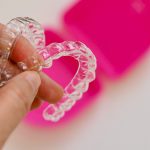
We also focus on prevention. If grinding contributes to your dental damage, a night guard or mouth guard may help protect your teeth. Strong daily oral hygiene and regular cleanings support your oral health and help restorations last.
Restorative care can support comfort and confidence
Restoring a tooth often improves its appearance, especially when repairs are color-matched and shaped to look natural. Many patients notice a difference in how they eat and speak once the tooth feels solid again. This stability enhances daily comfort and long-term dental health.
Restorative and cosmetic dentistry often overlap. A filling or crown can protect a tooth while improving symmetry, smoothing rough edges, and supporting a smile that feels like you. This balance of health and confidence is central to personalized care.
Some conditions, like ectodermal dysplasia, can affect tooth development and lead to unusual patterns of missing teeth. If you have a complex dental history, your dentist can help you explore restorative options that support function and comfort over time.
Ready to protect a damaged tooth?
If you have cracked, worn, or broken teeth, you deserve clarity and a supportive plan.
Contact us today to schedule a visit and explore your restorative dentistry options. We’re here to help you decide what’s right for your smile.




Leave a Reply