
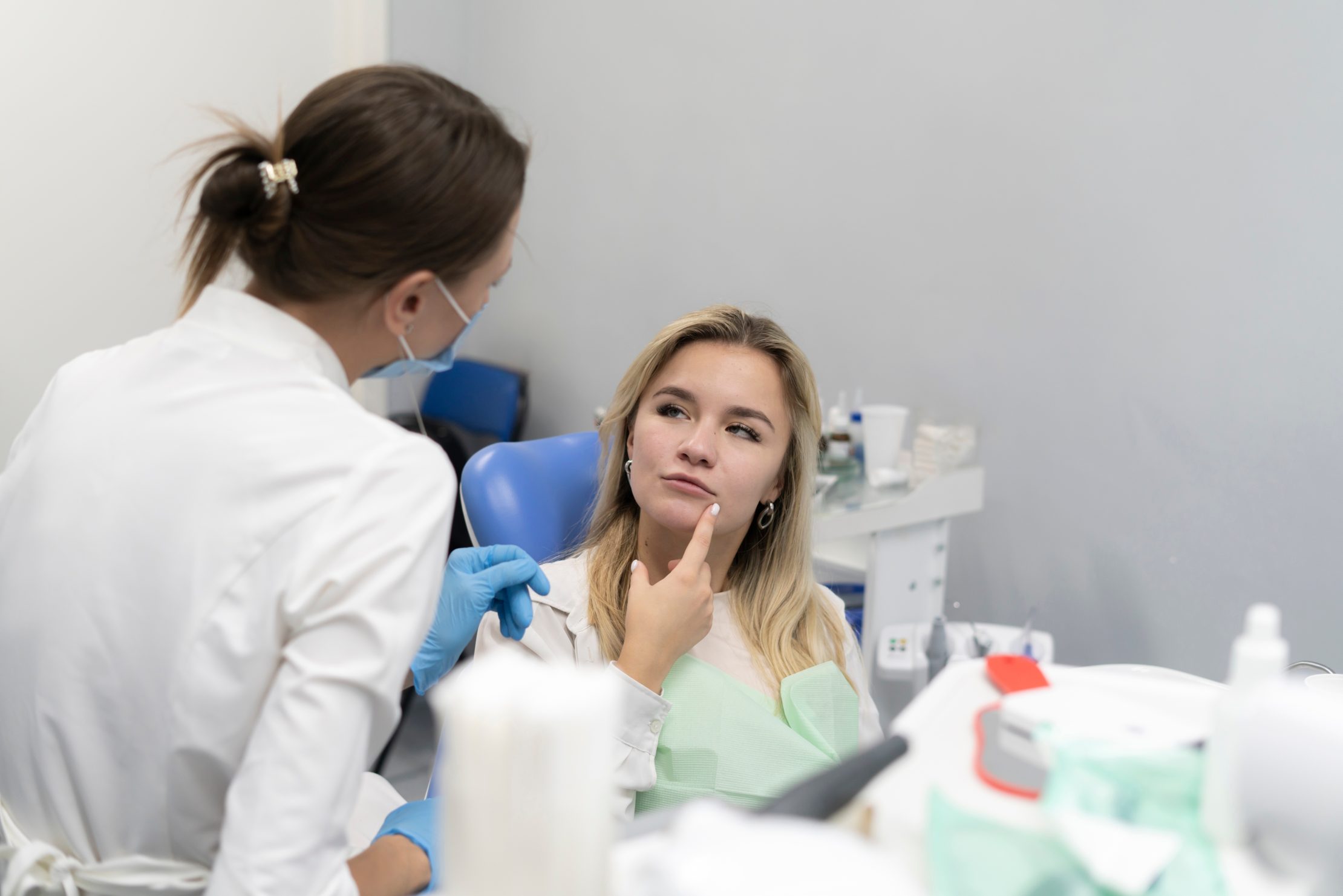
You smile for a picture and something feels off. Your teeth look shorter, flatter, or more “aged” than you remember, especially your front teeth. If you’ve wondered whether worn down teeth are from grinding, normal aging, or the way your bite comes together, you’re not alone. Tooth wear tends to show up in photos because cameras highlight edges, shine, and symmetry in ways mirrors do not.
At Hilliard Modern Dental in Hilliard, OH, we take the time to listen to your concerns and help you understand what’s happening in your mouth. The good news is that many cases of enamel wear and tooth structure loss respond well to a thoughtful plan, from preventive measures to restorative treatments like custom night guards, dental bonding, porcelain veneers, or crowns.
Why do worn down teeth show up so clearly in photos?
Photos freeze a moment with bright light, contrast, and a direct view of the teeth. When enamel thins from erosion or grinding, the edges reflect light differently, making teeth look flatter or uneven. Even small changes in tooth structure can appear more noticeable on camera, especially when your smile shows your front teeth.
The most common causes of tooth wear: grinding, erosion, or your bite
Tooth wear usually stems from one of three sources, and sometimes they overlap. Identifying the cause is crucial because the right solution depends on what’s wearing your teeth down. A bite evaluation can also help prevent further wear and protect healthy teeth long-term.
1) Grinding and clenching (bruxism)
Nighttime grinding or daytime clenching can cause excessive wear, flattened edges, and small chips. Over time, enamel loss can expose the inner layers of the tooth, leading to sensitivity when eating cold or hot foods. You may also notice jaw pain, morning headaches, or tired jaw muscles, as the temporomandibular joint and surrounding muscles work hard during clenching.
Grinding often affects back teeth first, as they absorb the strongest forces, but front teeth can also wear down when the lower jaw slides or presses forward during sleep. Many people are surprised to learn they grind their teeth because it often happens unconsciously.
2) Acid erosion (diet, reflux, and dry mouth)
Dental erosion occurs when acid softens enamel, making it more prone to wear. Acidic beverages like soft drinks, sports drinks, and sparkling water, as well as acidic foods like citrus fruits, can contribute to this. Frequent consumption throughout the day increases the risk.
Acid reflux or gastroesophageal reflux disease (GERD) is another factor. Stomach acid can reach the mouth and erode teeth, sometimes in areas that aren’t immediately visible. Dry mouth also plays a role, as saliva helps neutralize acids and protect teeth. Reduced saliva allows acids and bacteria to linger, increasing the risk of erosion and decay.
3) Your bite and alignment
Your bite determines where pressure hits when you chew and how your teeth touch at rest. If your teeth meet unevenly, certain teeth may bear too much force and wear down faster. This can make one or two front teeth appear shorter in photos or one side look flatter than the other.
Bite issues can result from shifting teeth, old dental work, or tooth loss that alters how teeth fit together. In some cases, orthodontic treatment can correct alignment and reduce stress on specific teeth, especially after restorative care.
Signs your worn teeth deserve a closer look
A little wear is normal with age, but certain signs suggest a problem that could progress into severe wear or attrition. If you notice any of the following, it’s worth scheduling a dental visit:
- Increasing tooth sensitivity, especially with cold foods
- Rough or sharp edges on front teeth
- Jaw pain, tight jaw muscles, or clicking near the temporomandibular joint
- Thinning enamel or a more yellow tone (from enamel loss exposing deeper tooth layers)
- A history of acid reflux, GERD, frequent acidic beverages, or dry mouth
- Chipping, cracking, or visible changes in tooth surfaces
These signs don’t necessarily mean you’ll need extensive treatment, but they indicate your tooth wear pattern should be professionally evaluated.
What happens if you ignore worn down teeth?
Tooth enamel doesn’t grow back. Continued enamel loss makes teeth more vulnerable to further wear, fractures, and decay. As tooth structure diminishes, sensitivity can worsen, chewing may become uncomfortable, and the need for complex restorative treatments increases.
In advanced cases, a tooth may weaken enough to require a root canal or extraction. Bite-related discomfort can also develop as the mouth adapts to shorter teeth. Addressing tooth wear early often provides more treatment options and a smoother path forward.
Treatment options at Hilliard Modern Dental: protecting enamel and restoring your smile
We focus on comfort, clarity, and honest recommendations. Your treatment plan depends on the cause of the wear, how much tooth structure has been lost, and your goals for your smile.
Custom night guard for grinding and jaw tension
For many patients, a custom night guard is the best way to protect teeth from grinding. It creates a cushion between upper and lower teeth, reducing enamel wear and strain on jaw muscles. This can also support TMJ treatment when jaw pain and joint stress are involved.
Hilliard Modern Dental offers custom night guards based on impressions, ensuring a comfortable fit and reliable protection. A well-fitted guard also helps protect existing restorations.
Restoring shape with dental bonding, veneers, or crowns
When wear has changed how teeth look and function, restoring their shape can boost your confidence. The right material depends on how much structure is missing and which teeth are affected.
- Dental bonding: Ideal for smaller chips or minor reshaping. Bonding is a practical cosmetic option for light to moderate wear, especially on front teeth.
- Porcelain veneers: Veneers cover the front surface of teeth, creating a uniform shape and appearance. They also protect weakened enamel in the visible smile zone.
- Dental crowns: Crowns cover the entire tooth above the gum line, providing strength when a tooth is too weak for a filling. Crowns are often used in severe wear cases, fractures, or for rebuilding back teeth that endure strong chewing forces.
Dr. Benjamin R. Lamielle, DDS, provides crowns and veneers with a focus on comfort and a natural look. Crowns typically require two visits, with a temporary crown placed while the final crown is custom-made.
Bite evaluation and long-term planning
If your bite contributed to worn teeth, adjustments may reduce uneven pressure. Orthodontic treatment can help correct alignment and prevent further damage. For patients missing teeth, replacement options like dental implants can restore function and support a stable bite.
Support for TMJ symptoms and muscle-driven wear
Some patients clench their teeth due to stress, leading to facial tension, headaches, or jaw soreness. Night guards often play a central role in managing these symptoms. Some practices also use Botox to relax overactive jaw muscles. If this applies to you, it’s worth discussing during your visit.
Preventive measures you can start now
Good oral hygiene supports dental health, but preventing tooth wear also involves daily habits. Small changes can reduce acid exposure and protect enamel:
- Sip water after consuming acidic drinks, and avoid brushing immediately after acid exposure
- Limit frequent snacking on sugary or acidic foods
- Consider fluoride treatments if you’re prone to erosion or sensitivity
- Manage acid reflux or GERD with your medical provider
- Stay hydrated and address dry mouth, especially if you wake up with a dry feeling
These steps can help protect your teeth and slow erosion while you explore treatment options.
A supportive next step for worn down teeth in Hilliard, OH
If you’re noticing worn down teeth in photos, you deserve clear answers and a plan that fits your life. We’ll evaluate your tooth wear, discuss your symptoms, and explain treatment options in a way that feels manageable. Whether the solution is a custom night guard, TMJ treatment, veneers, crowns, or a combination approach, our goal is to help you protect your smile and regain confidence.
Schedule a visit with Hilliard Modern Dental to discuss what you’re seeing and what it may mean for your oral health.



Leave a Reply