
If you had braces years ago, you probably remember the relief of seeing straight teeth in the mirror for the first time. So it can feel frustrating when you notice front teeth overlapping again, a new gap, or lower front teeth crowding that wasn’t there before. At Hilliard Modern Dental, we talk with many adults who are dealing with teeth shifting after braces and wondering what it means, what caused it, and whether it is fixable.
The good news is that many cases of minor shifting can be improved with clear aligners, including Simply Clear Aligners. With a thoughtful exam and a personalized treatment plan, you may be able to guide your teeth toward a beautiful smile again, with a process designed to fit real life.
Why do teeth shift after orthodontic treatment?
Even with an excellent original treatment, teeth can still move over time. Your mouth is a living system, and tooth movement can happen for several reasons related to oral health, daily function, and the way tissues respond as you age. Many people assume shifting means something went wrong, but it often reflects normal changes that happen gradually.
Teeth are supported by tooth roots, surrounding bone, and soft tissue. Over time, your body continues bone remodeling, and the fibers that help hold teeth in place, including periodontal fibers, can contribute to slow changes. Add in pressure from chewing, clenching, and daily habits, and you can see why teeth sometimes drift away from their original shape.
Is orthodontic relapse the same as “normal” shifting?
The term orthodontic relapse describes teeth moving back toward where they started before braces. Some patients experience true relapse, while others mainly notice small changes from natural aging. Either way, the experience feels the same when you look in the mirror and see noticeable movement, especially in the bottom teeth or the upper arch.
Shifting can be a small amount at first, and those early changes are easy to ignore. Then one day it feels like it happened all at once, even if the process took months or years. Paying attention to early signs, like tight floss contacts or a change in your bite, can help you address minor shifts before they become a bigger concern.
Can clear aligners help with teeth shifting after braces?
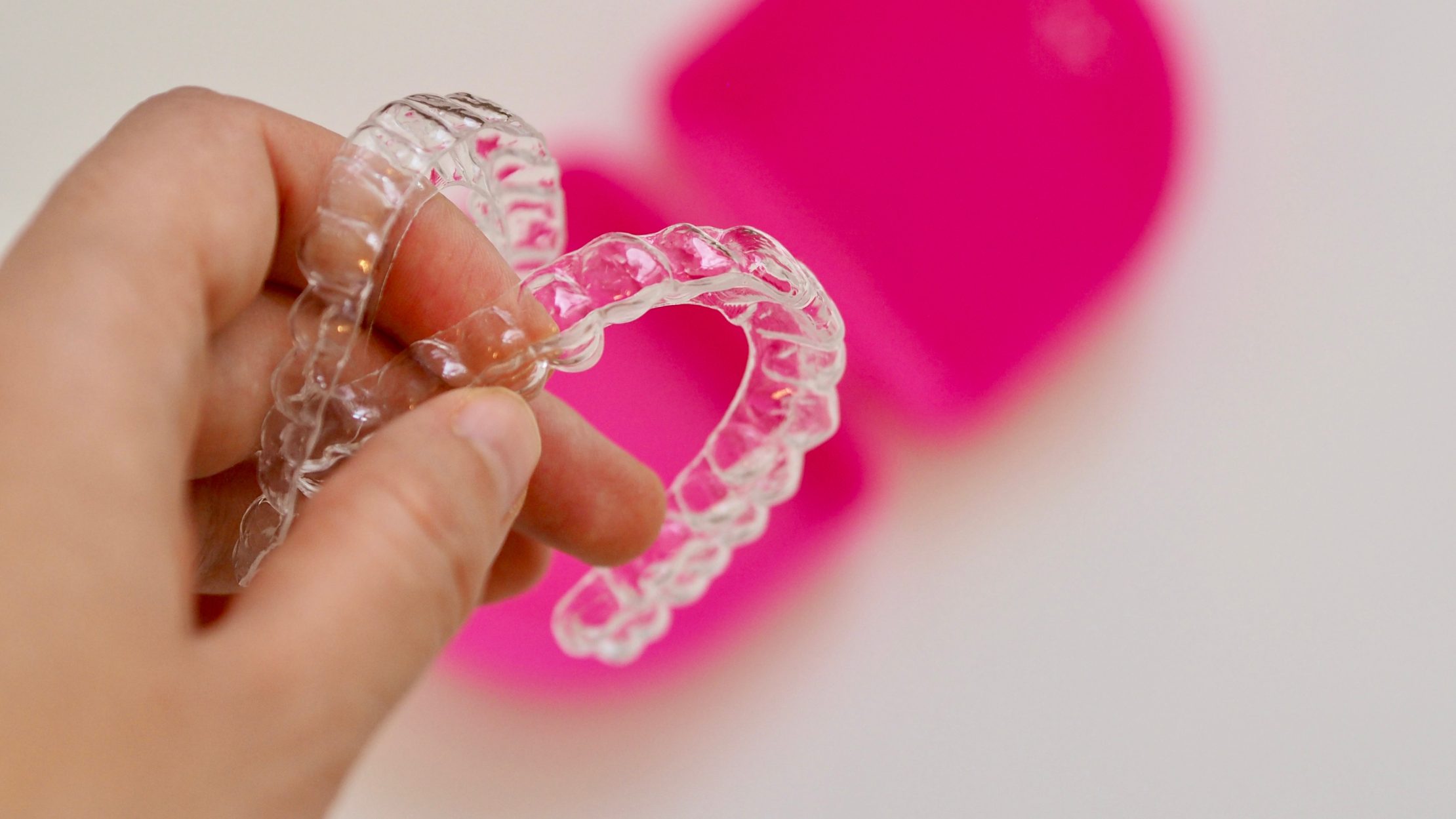
Yes, in many cases, teeth shifting after braces can be corrected with clear aligners, especially when the changes are mild to moderate. Simply Clear Aligners use a series of custom trays that apply gentle pressure to move teeth into new positions over time. Many adults prefer aligners because they are discreet and removable, and they often fit smoothly into a busy schedule.
Can clear aligners fix minor shifting, including lower front teeth crowding?
Clear aligners often work well for minor movement, including crowding that shows up in the lower teeth and back of your front teeth. If your teeth are still in generally good shape and your bite concerns are mild, aligners may be an effective option. A consultation helps confirm whether aligners match your needs or whether limited braces, full braces, or another approach would be more appropriate.
At Hilliard Modern Dental, Dr. Benjamin R. Lamielle evaluates your teeth, bite, and overall oral health before recommending any orthodontic care. That way, you get honest guidance based on what your smile needs now, not what it needed during your first orthodontic treatment.
Common reasons adults notice front teeth shifting again
Adults often tell us their shifting feels random, but there are some patterns we see often. Here are a few common contributors that can lead to a teeth shift after braces:
- Retainer wear becoming less consistent over time, especially after the first year
- Changes in retainer fit that make an old retainer uncomfortable or ineffective
- Wisdom teeth coming in or creating pressure that affects spacing in some mouths
- Pressure from clenching or grinding, which can also make a night guard a good idea
- Gum inflammation, gum disease, or other periodontal concerns that weaken support from the tissues and bone
- Busy schedules that disrupt routines like a consistent oral hygiene routine and regular checkups
Some patients also remember details from their braces phase, like rubber bands, a thin wire retainer, or metal braces they wore for a full treatment. Those details matter because they help us understand how your teeth were stabilized and what kind of retention you may need going forward.
Retainers: the best way to protect your results long-term
If you feel like your teeth moved overnight, your retainer often gives the first clue. A retainer that used to slide in easily may suddenly feel tight or not seat fully, even if you skipped it for a single day. That change usually signals real movement, and it is worth addressing early.
For many patients, the most important factor in preventing shifting is consistent retainer wear. Some people do well with nighttime wear, while others need more structure depending on their case. Retainer use can look different from person to person, and your dentist can help you choose the right option, whether that is a removable retainer or another style recommended for stability. If your retainer no longer fits, a new retainer can help protect your progress after treatment.
What Simply Clear Aligners are like at Hilliard Modern Dental
Simply Clear Aligners are a clear, removable system designed to gradually guide teeth into improved alignment. If you have been comparing options like clear braces, aligners can feel like a comfortable middle ground between doing nothing and returning to traditional braces. They are designed to be smooth and comfortable while providing steady, controlled movement.
Your aligner experience includes steps that support predictable progress:
- A consultation to discuss goals and evaluate your bite and alignment
- Digital scans and planning that map your aligner series
- A set of trays with guidance for how and when to wear them
- Ongoing monitoring visits to check progress and tray fit
- Retainers after aligners to help maintain your results and reduce future shifting
Most patients are encouraged to wear trays 20 to 22 hours per day for consistent wear, removing them for meals and brushing. This routine supports steady progress during the initial phase and beyond.
Daily routine tips that keep aligners and teeth healthy
Aligners work best when your mouth stays healthy throughout treatment. That means keeping up with daily cleaning habits and sticking with checkups, even if life is busy. The goal is to support your teeth and gums while your smile transitions into its new positions.
A few aligner-friendly habits we often recommend include:
- Brush and floss after meals to protect enamel and gum health, especially if you have a history of gum disease
- Clean your trays gently with lukewarm water and a soft toothbrush
- Use mild soap if needed for cleaning, and avoid hot water that can warp trays
- Keep trays in their case when they are out, so they stay clean and protected
- Maintain your oral hygiene routine and schedule regular checkups during treatment
These small steps can help you stay comfortable, protect your progress, and keep your aligners clear and fresh.
When braces might be better than clear aligners
Clear aligners can help many adults, but they are not the perfect fit for every situation. If your bite needs significant correction, or if your teeth require complex movements, traditional braces or full braces may be the better option. Some cases also require orthodontic tools that aligners do not use, such as certain mechanics similar to rubber bands used in braces.
A consultation helps you understand what is realistic for your smile, whether you are looking for small improvements or considering treatment for the second time. We believe honest recommendations lead to better long-term results, and we will always focus on what supports your health and comfort.
Ready to talk about clear aligners in Hilliard, OH?
If you are noticing teeth shifting after braces, you deserve a supportive, clear explanation of what is happening and what your options are. At Hilliard Modern Dental, we take the time to listen to your concerns, evaluate your smile, and help you decide whether Simply Clear Aligners make sense for your goals.
Schedule a visit with our team to talk through your aligner options and retainer needs. If you have questions before you come in, reach out. We are happy to help you feel confident about your next step.




Leave a Reply