
A tiny chip on one front tooth. A small space that catches your eye in photos. Edges that look uneven no matter how well you brush. These details can feel surprisingly distracting, even when your teeth are healthy. If you want a subtle, natural-looking improvement without a big change to your routine, dental bonding can be a comfortable, conservative option.
At Hilliard Modern Dental, we take the time to listen to what you notice about your smile and what you want to change. Then we walk you through your options in a clear, pressure-free way. For the right person, cosmetic dental bonding can be a simple way to refine the appearance of your teeth while preserving your natural tooth structure.
Why small smile “details” feel like a big deal
Your smile is one of the first things people see, so it makes sense that small cosmetic concerns can carry a lot of weight. Minor imperfections on your front teeth can draw your attention every time you look in the mirror, hop on a video call, or take a family photo. You may even find yourself smiling with your lips closed, even though your oral health is otherwise in great shape.
The good news is that small changes can create a big shift in how confident you feel. A cosmetic procedure like tooth bonding focuses on restoring balance in the shape of teeth, smoothing sharp edges, and creating a more even look that still feels like you.
What is dental bonding (and what does it actually do)?
Dental bonding is a cosmetic dental procedure that uses a tooth-colored bonding material, typically composite resin, to adjust the surface of the tooth. The resin is applied directly to the tooth surface, gently shaped, and then hardened so it blends in with your natural teeth. Many people like it because it can address noticeable concerns with minimal tooth preparation.
Bonding works especially well when your goals are specific and focused. Rather than covering the entire front of a tooth like some dental veneers, bonding can correct a targeted area. It can also help restore the look of a chipped spot so the tooth structure feels complete again, supporting both appearance and comfort.
Is dental bonding right for chips, small gaps, and uneven edges?
If you are dealing with minor imperfections, dental bonding is often a popular choice. It can be an effective way to refine the appearance of teeth when you want improvement that looks natural and feels comfortable.
Bonding may help if you are noticing:
- Small chips or worn corners that interrupt the natural tooth outline
- Small gaps that make your smile look less uniform
- Uneven edges that change the appearance of your teeth in photos
- Rough or sharp edges that catch on your lip or tongue
- Discoloration that does not respond the way you hoped with whitening
A general dentist will still look at the whole picture first, including oral hygiene, your bite, and overall oral health. If there is active tooth decay or gum concerns, those need attention before cosmetic dental bonding can be expected to hold up well.
What to expect during a dental bonding procedure at Hilliard Modern Dental
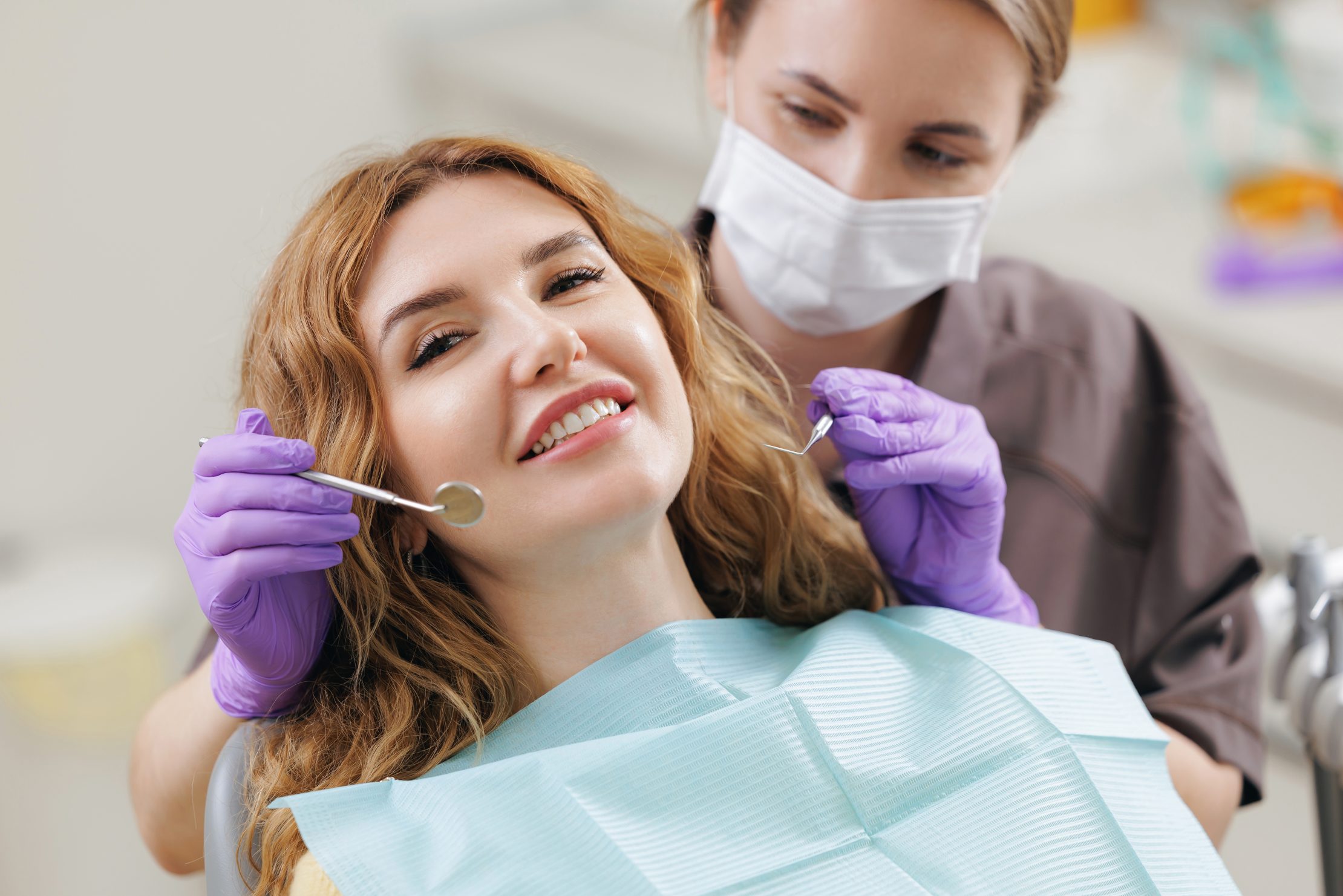
Comfort and clarity matter, especially for patients who feel anxious about dental work. At Hilliard Modern Dental, Dr. Benjamin R. Lamielle keeps the bonding procedure straightforward and patient-friendly. Most patients do not need anesthesia unless bonding is being used as part of a filling.
Here is the typical dental bonding procedure flow:
- The first step is choosing the right look, including a resin color that matches the color of your natural teeth. A shade guide helps us select a natural, seamless match.
- The surface of the tooth is lightly prepared to help the bonding material adhere, then a conditioning liquid is applied.
- Composite resin is placed and carefully sculpted to match the natural tooth shape and the surrounding surface of the teeth.
- A special curing light hardens the material so it bonds securely.
- The bonded tooth is polished to blend smoothly with nearby teeth.
Because it is commonly completed in a single visit, many patients love walking out of a single appointment with a refined, more balanced look.
How long does dental bonding last?
Patients often ask how long dental bonding lasts because they want a solution that fits both their goals and their life. The life of dental bonding depends on the location of the bonded tooth, your oral habits, and how consistently you practice good oral hygiene. On average, bonding can last 3 to 10 years before it needs repair or a touch-up.
To help bonded teeth last, plan for steady dental care and be mindful about what you bite. Habits like chewing ice, biting pens, or using teeth to open packaging can chip bonding material, especially on front teeth where edges are thinner. If you clench or grind, ask your dentist about protecting your tooth structure with a night guard.
Caring for bonded teeth: simple habits that protect your results
Bonding can look very natural, but it still benefits from the basics. Good oral hygiene protects both the bonding and the natural tooth structure underneath it, which supports long-term oral health.
A few easy ways to care for bonded teeth include:
- Brush twice a day and floss daily to support oral hygiene around the bonded area
- Keep up with regular professional cleanings and office visit check-ins
- Limit biting hard items that can chip the resin
- Rinse with water after coffee, tea, or red wine to reduce staining
- Let your dentist know if you notice roughness, a change in shape, or a small edge that feels different
If you already have great routines, bonding often fits right into them. If you feel unsure about where to start, we are happy to talk through what “good oral hygiene” looks like for your specific mouth and goals.
Dental bonding vs. porcelain veneers vs. dental crowns: how to compare
When you are looking at cosmetic dentistry options, it helps to understand what each cosmetic procedure is designed to do. Bonding, dental veneers, and dental crowns can all improve the appearance of your teeth, but they serve different needs.
- Cosmetic dental bonding: Great for targeted fixes like small chips, small gaps, or uneven edges. It often preserves more natural tooth structure and can be completed in a single appointment.
- Porcelain veneers: Veneers cover the front surface of the tooth and can be a go-to for broader cosmetic concerns, including more noticeable discoloration or shape changes. They typically involve more planning as part of a longer treatment plan.
- Dental crowns: Crowns cover more of the tooth and are usually used when a tooth needs added strength due to major damage or decay, not only a cosmetic improvement.
During your consultation, your dentist can help you compare the options based on tooth structure, the surface of the teeth involved, and your goals for a beautiful smile. Some patients also pair bonding with whitening trays to brighten the color of your teeth first, then fine-tune edges for a more uniform result.
What about the cost of dental bonding?
The cost of dental bonding depends on how many teeth you want to treat, the extent of tooth bonding needed, and whether the bonding is purely cosmetic or also tied to restoring a damaged area. The best next step is a consultation, so we can look at your natural teeth, talk through your goals, and outline a clear treatment plan.
We believe honest recommendations lead to better long-term health. That means you will hear straightforward guidance on whether bonding fits your needs or whether another cosmetic dental procedure could serve you better.
A small change that often brings a more confident smile
Bonding is designed for people who want a noticeable improvement that still looks like them. It can smooth sharp edges, restore a chipped corner, close small gaps, and refine the appearance of your teeth without extensive tooth preparation. For many patients, that is the difference between feeling self-conscious and feeling comfortable sharing a more confident smile.
If you have been thinking about updating one tooth, repairing a tiny chip, or making the front teeth look more even, we are here to help you sort through your options. Schedule a consultation at Hilliard Modern Dental to talk through dental bonding, whitening, and dental veneers, and decide on the next step that feels right for you. If you are ready, we can help you set up an appointment today.



Leave a Reply